
Mattel's move into digital gaming marks a significant strategy shift as the toy industry pivots towards virtual play experiences.
This week marks a significant shift in the toy industry’s approach to digital gaming, with Mattel establishing its own in-house game studio. This development, reported by Global Toy News, represents a notable pivot as traditional toy companies venture further into digital realms. Toy-branded game studios have seen a rise as both a complement and competition to physical toys, acknowledging the growing importance of digital play amid an evolving market landscape.
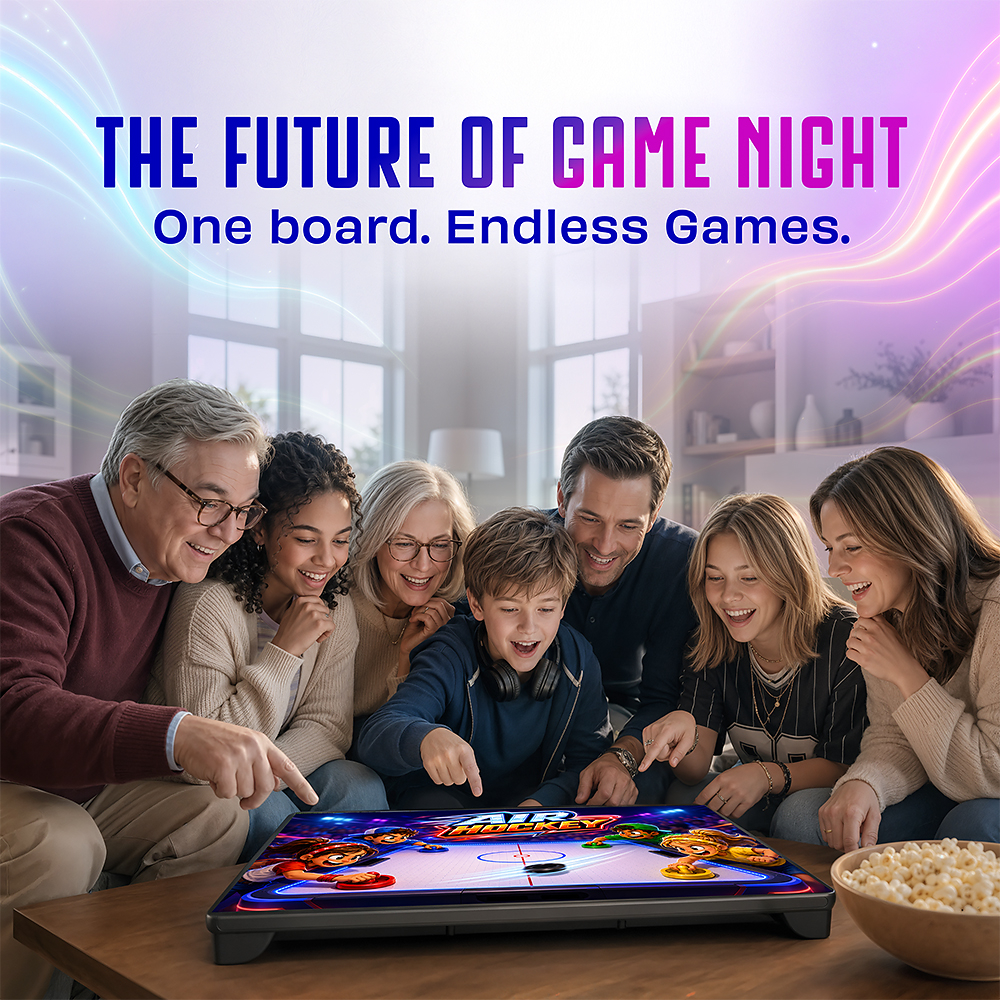
The move by Mattel to build an in-house studio for digital games is another step in the strategic expansion of their brand ecosystem, capitalizing on intellectual property and aiming to engage younger generations who are increasingly immersed in digital experiences. This initiative underscores Mattel’s recognition of the need to integrate physical and digital play, reflecting broader industry trends towards “phygital” entertainment—a portmanteau of physical and digital play experiences.
The Growth of “Unboxing” Sensation
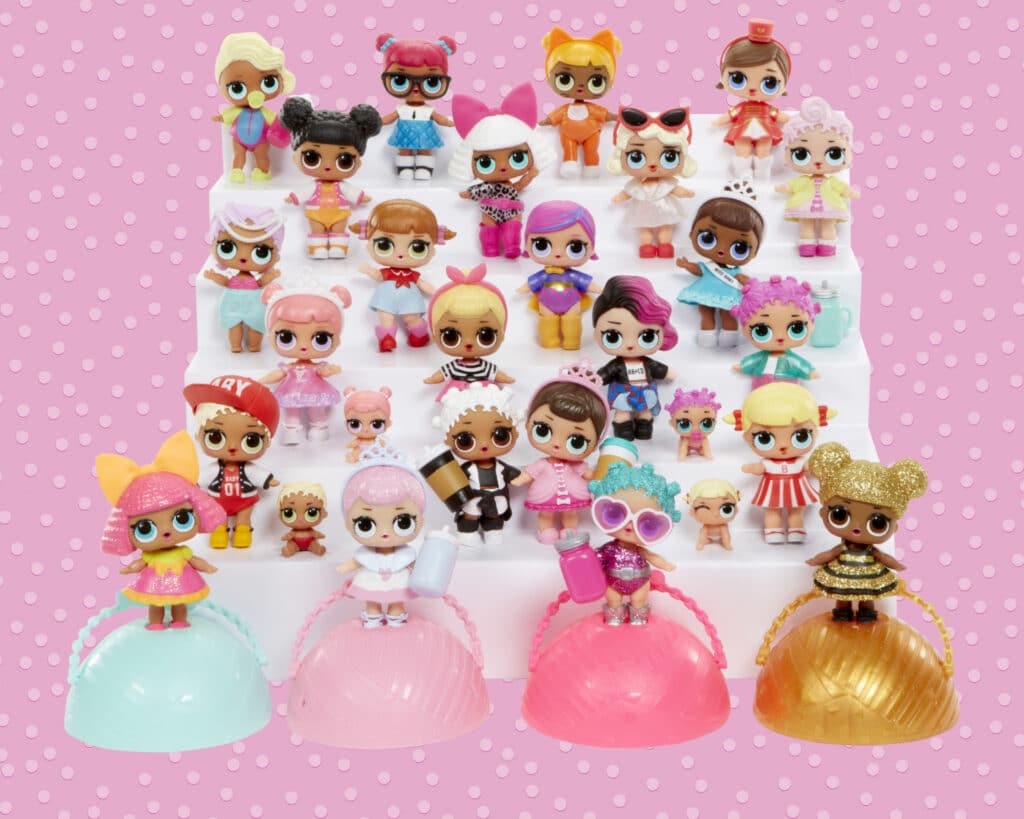
A retrospective piece from ToyBook celebrates a decade of L.O.L. Surprise!, a pioneer product that sparked the unboxing trends long before TikTok catapulted the concept into the mainstream. These small, surprise-filled capsules captivated the market by leveraging mystery and collectible culture, and represent a significant milestone in the intersection of toys and consumer novelty. The enduring popularity of L.O.L. Surprise! demonstrates the unshakeable allure of surprise and collection, which has proven to be a durable market segment within the industry.
Nostalgia and Legacy in Toy Storytelling
Meanwhile, Sesame Workshop marks 55 years of Grover’s adventures by revitalizing “The Monster at the End of This Book” through a new multimedia approach. According to ToyBook, an animated special will debut on Netflix and YouTube, along with a musical album from Warner Music Group’s Arts Music. This strategy not only keeps classic characters alive for new generations but also aligns with current entertainment consumption habits, focusing on accessible and engaging content across multiple platforms.
As the toy industry continues to adapt, these stories underscore the diverse strategies companies are employing to attract and retain their audiences. From embracing digital innovations to harnessing nostalgia, the industry is demonstrating resilience and creativity as it negotiates the shifting sands of consumer preferences and technological advancements.