
Parenting dilemma: should you choose a stroller or a wagon for your little one? Let's compare their pros and cons.
Today’s Kids & Play briefing highlights a topic relevant to many parents: the decision between choosing a stroller or a wagon for transporting young children. This isn’t just a question of style or status; it’s about practicality and suitable functionality according to your child’s age and your family’s lifestyle. Little Discoverer offers a comprehensive comparison that outlines the key differences and similarities between these two options.
Stroller vs. Wagon: Key Considerations
Strollers have been a longstanding staple for parents, particularly due to their convenience for infants. They can often be configured to hold a car seat or bassinet, which makes them ideal from birth. Most traditional strollers also come with various accessories like canopies, storage, and safety harnesses, all of which cater to an infant’s specific needs.
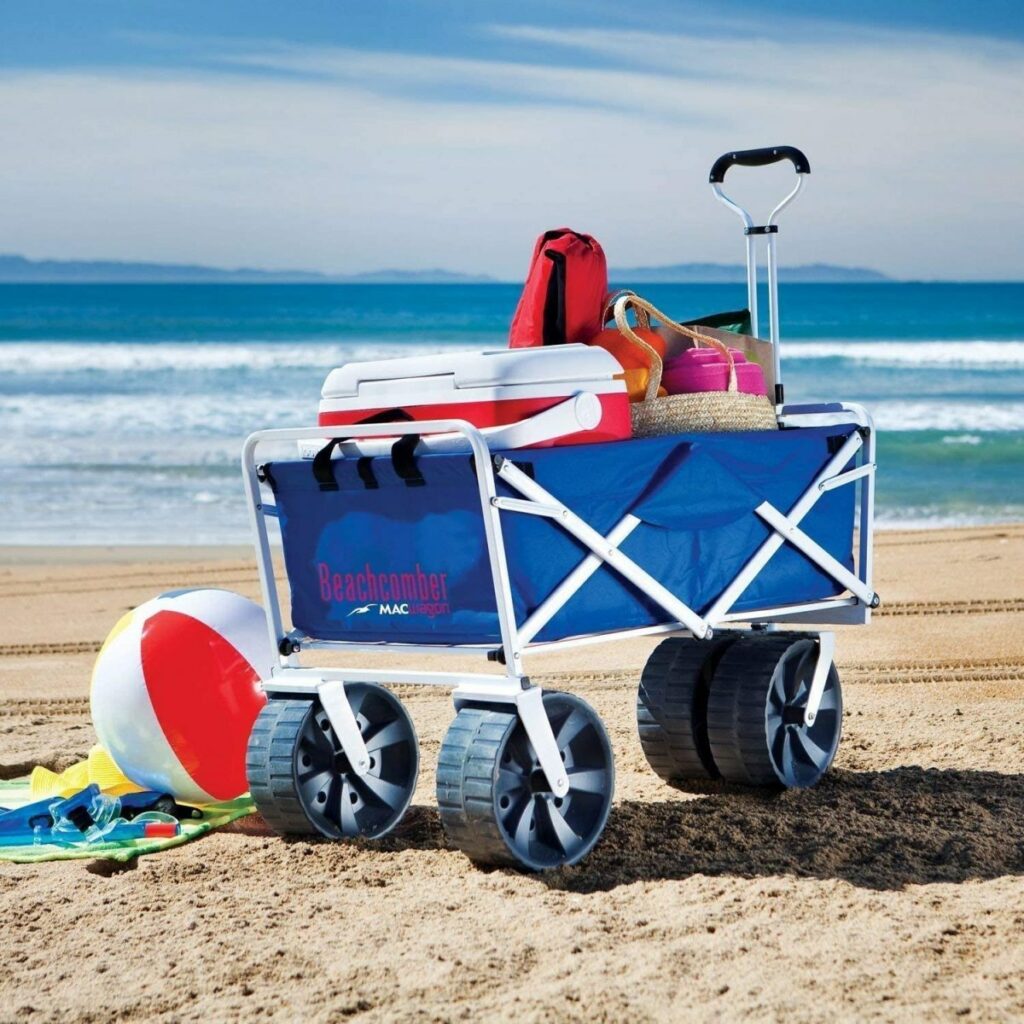
Wagons, however, have gained popularity in recent years as a more versatile alternative, especially for older toddlers. They are generally roomier and can accommodate more than one child or even additional items for a day out, which makes them great for group adventures. Many modern wagon designs include comfortable seating with harnesses, making them a safer option than their previous iterations.
Age Matters
The age of your child significantly influences which product is more appropriate. Newborns and young infants benefit more from strollers, which can safely secure them during transit. Meanwhile, if your child is older—around 1 to 2 years old—both a traditional stroller or a stroller wagon could be considered, depending on your specific needs, such as storage capacity and terrain navigability.
Historical and Cultural Touchstones: Dolls Houses and Fairy Toys
In other toy industry news, traditional toys continue to hold their place in children’s play. Wooden dolls houses, adored since the 16th century, continue to fascinate and offer developmental benefits such as nurturing children’s imagination and language skills, as reported by Bigjigs Toys.
Similarly, fairy toys remain a magical staple, enriching children’s fantasy worlds as highlighted by the celebration of International Fairy Day. Fairy-themed toys encompass a broad range of figures and crafts that allow children to immerse themselves in imaginative storytelling.
Overall, while trendy and modern options continue to emerge, the longstanding affection for classic toys like dolls houses and fairy toys suggests that they will remain a beloved part of children’s playrooms, offering timeless benefits and charm.