
Mattel and Adidas leverage cross-industry collaborations to revitalize legacy brands, demonstrating the broadening scope of toy industry partnerships.
In the ever-evolving toy industry landscape, brands are increasingly looking towards strategic collaborations to breathe new life into their legacy products. This week’s notable partnerships involving Mattel and Adidas illustrate how legacy brands are innovating to maintain cultural relevance and expand their influence across various consumer segments.
Mattel’s Athlete-Driven Barbie Doll Innovation
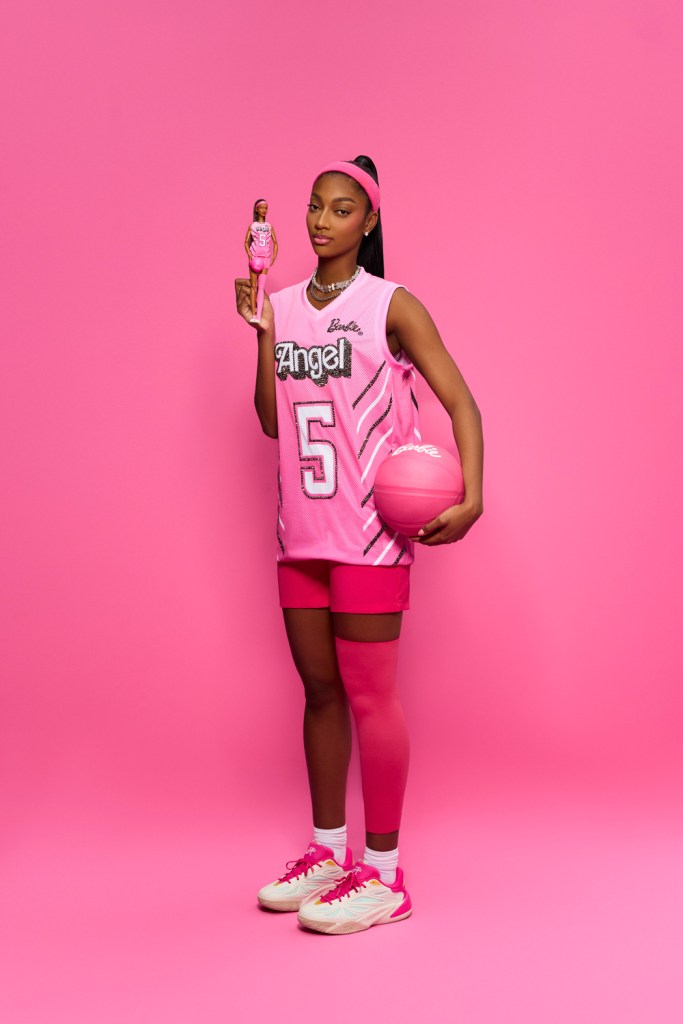
Mattel’s recent collaboration with WNBA star Angel Reese marks a significant leap forward in the toy giant’s strategy to integrate athlete-driven intellectual property (IP) into its Barbie Signature line. As reported by Global Toy News, the partnership not only introduces a Barbie doll paired with Reese’s Reebok sneaker line but also strategically positions the brand across the toy, fashion, footwear, sports, and collectibles markets. This move is indicative of a broader trend that sees toy manufacturers seeking to tap into the cultural cachet of sports figures, thereby broaden the appeal of their product lines beyond traditional audiences. It also showcases how athlete collaborations can simultaneously drive sales while boosting brand engagement among different age groups and interests, particularly appealing to collectors and sports enthusiasts.
Adidas Enters the Care Bears Universe
Meanwhile, Adidas is making waves with its latest venture into toy collaborations by teaming up with Cloudco Entertainment for a new Care Bears fashion and footwear collection. As detailed by The Toy Book, this collection comes as the Care Bears brand looks forward to its 45th anniversary. The partnership underscores the enduring appeal of nostalgia-driven products as both Adidas and Care Bears aim to connect with diverse, multigenerational audiences. The design-led initiative not only reinforces Care Bears’ cultural presence but also enhances Adidas’ portfolio by blending fashion with nostalgia, demonstrating how legacy brands can harness the emotional resonance of childhood classics to foster new consumer connections.
Broader Implications for the Toy Industry
These collaborations suggest a growing trend in the toy industry towards diversified brand engagement strategies that transcend traditional product categories. As detailed in other reports, the toy industry is witnessing a shift in consumer behavior with holiday shopping starting earlier. Brands are under increasing pressure to capture consumer interest long before the traditional holiday season, requiring earlier and more innovative marketing campaigns.
Furthermore, collaborations such as those by Mattel and Adidas highlight the industry’s increasing focus on capitalizing on cultural trends and partnerships to drive brand loyalty and extend product life cycles. With GameStop’s recent financial restructuring, also covered this week by Global Toy News, it’s clear that toy and related companies are eager to streamline operations and strengthen their market positions through creative financial strategies and collaborative efforts.