
Recent releases and reviews highlight mixed reactions to Masters of the Universe and Star Wars figures, and evolving tokusatsu series.
In a rather varied week for collectors, the toy landscape saw a blend of nostalgic revisits and attempts to embrace novel genre dynamics. Notable among these was the latest wave of Masters of the Universe (MOTU) figures, the ongoing evolution of Star Wars toy lines, and intriguing developments from the tokusatsu realm.
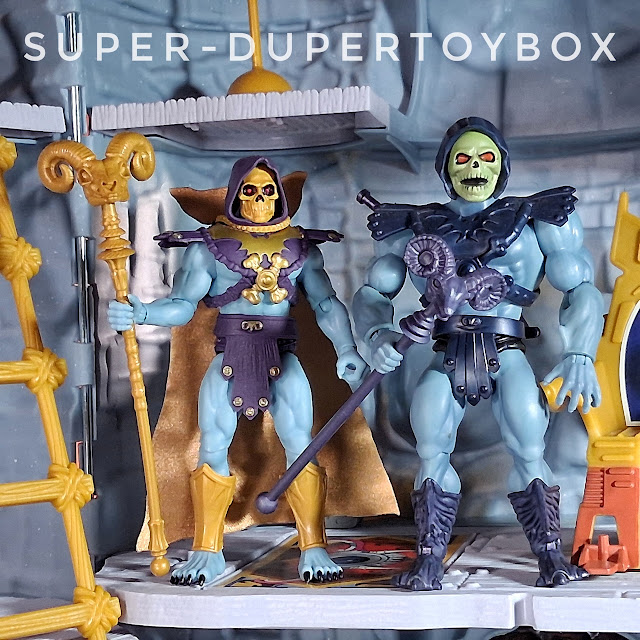
Masters of the Universe: Nostalgia Meets Modern Playability
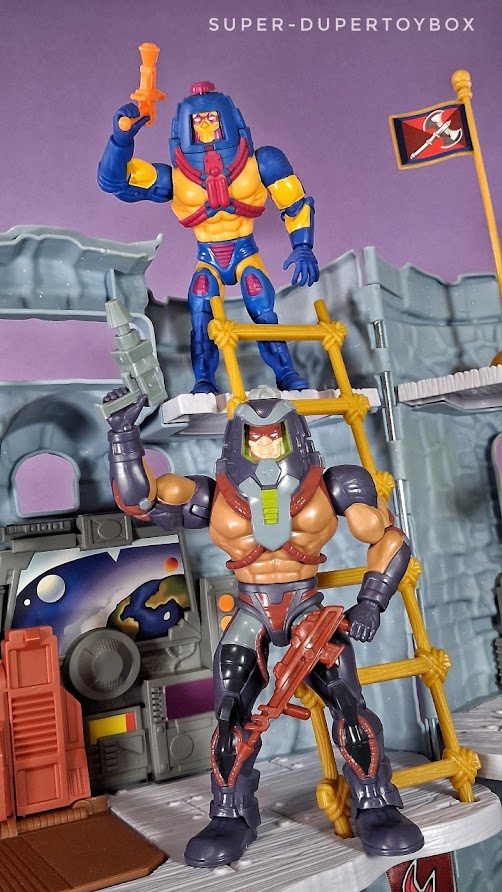
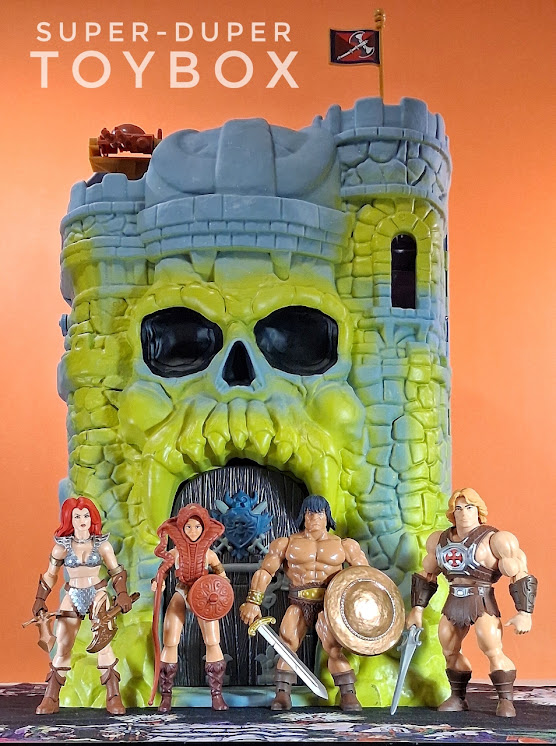
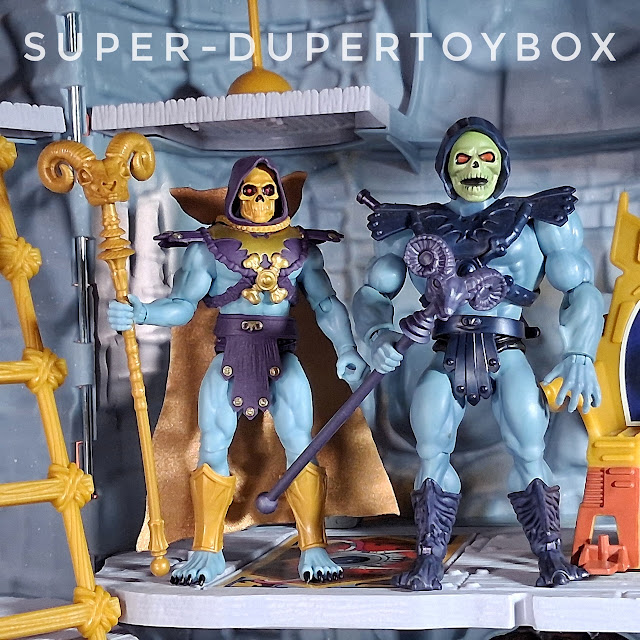
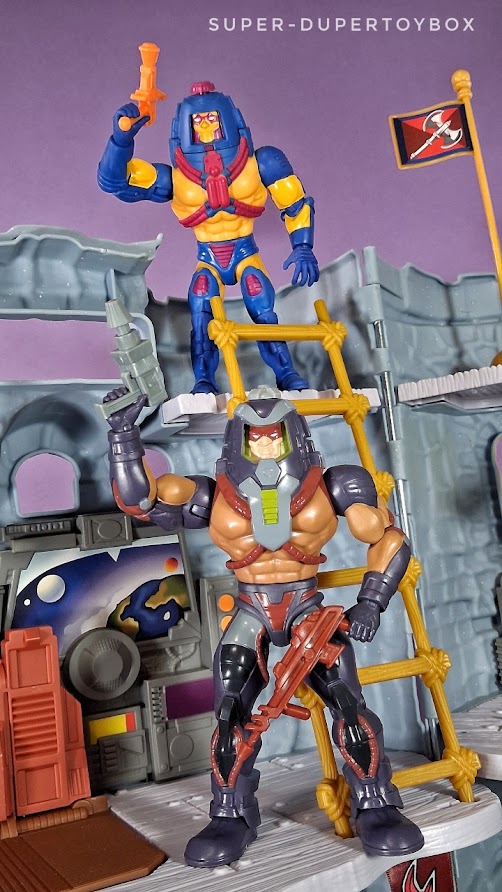
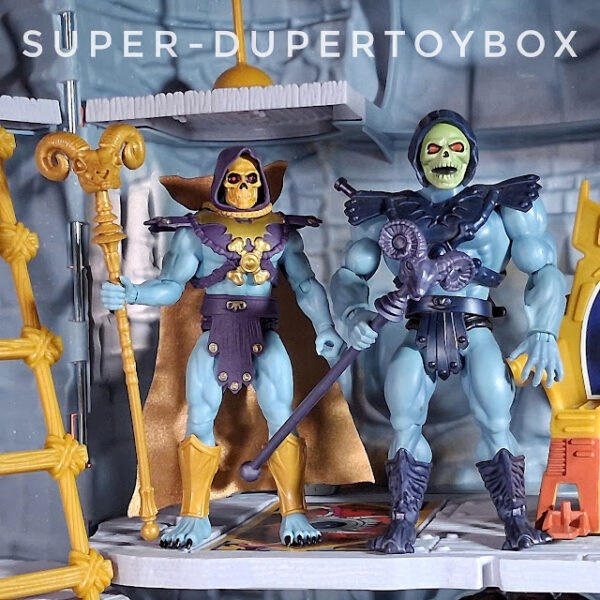
The release of the new Masters of the Universe film figures didn’t completely resonate with the consistent collectors’ trope of movie figure expectation. While some were hesitant about the lack of articulation points, ironically, it’s the posability of characters like Teela and Man-At-Arms that seemed to win them over. The combining Battle for Eternia playset marries nostalgia with innovation, allowing figures from different lines to coexist amiably. Though not groundbreaking, these releases find a comfortable niche appealing enough to be ‘worth a try.’
Star Wars: Retro vs Modern Aesthetics
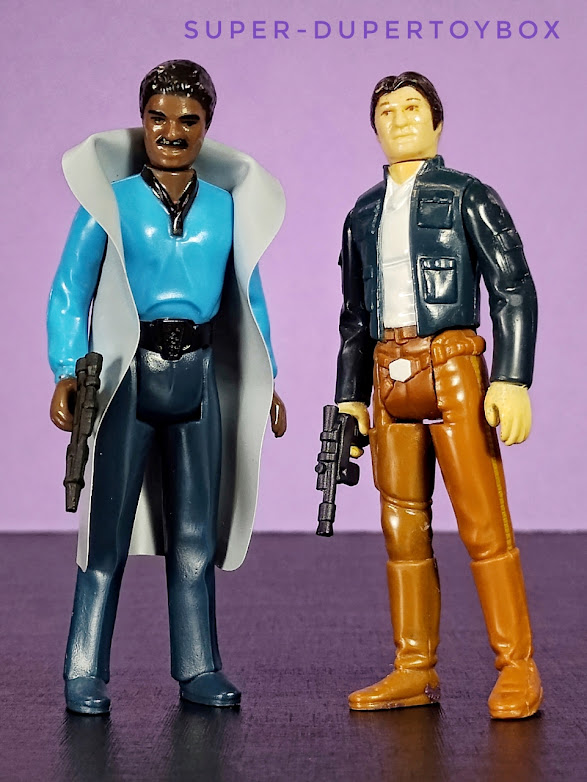
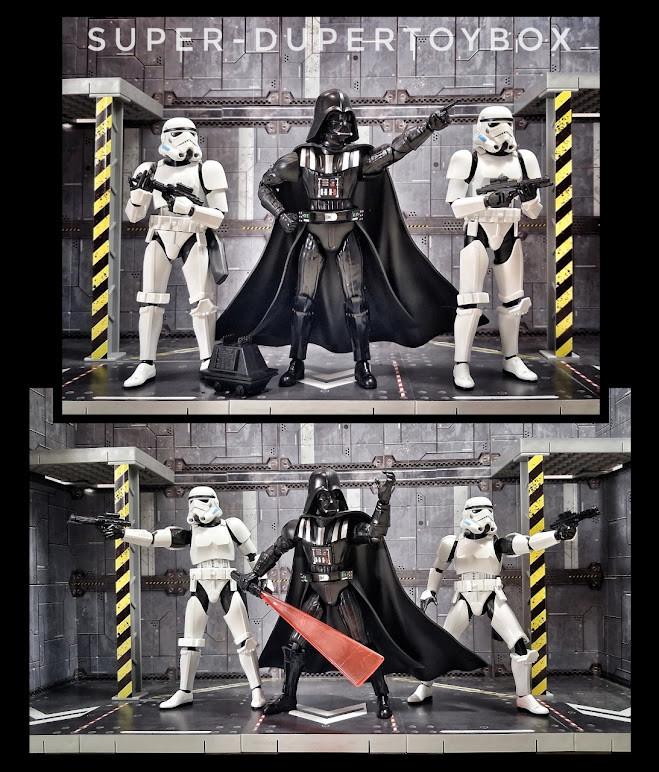
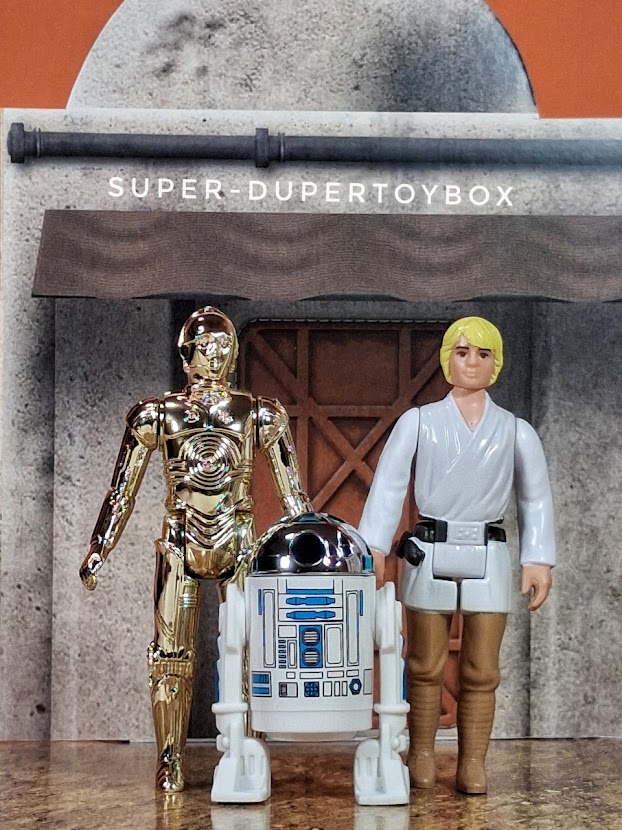
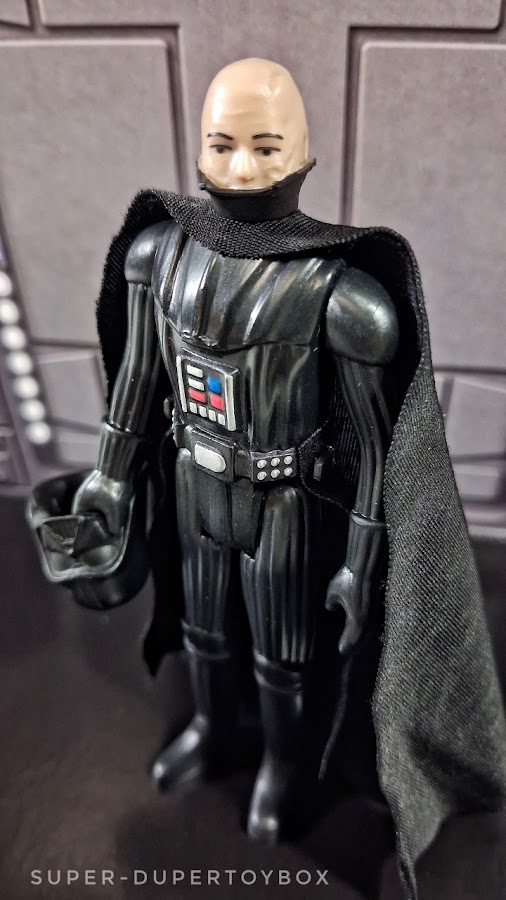
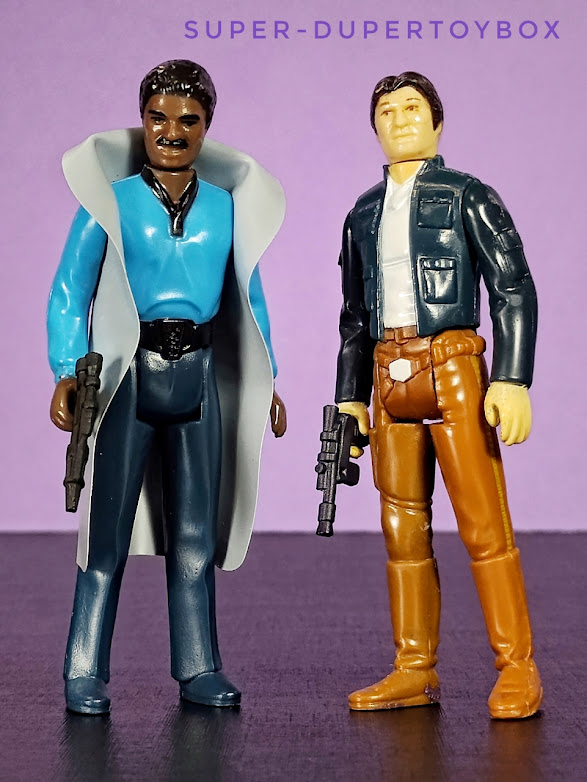
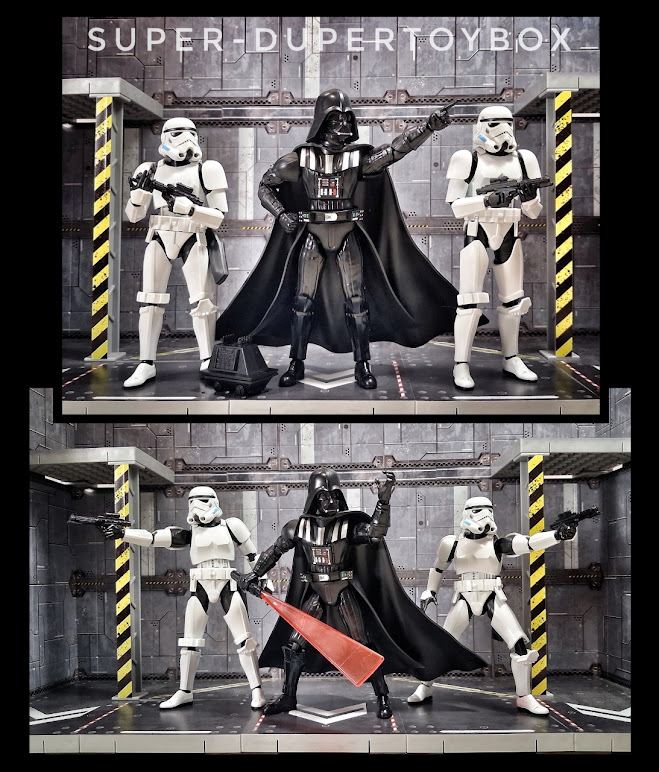
Star Wars remains a stronghold on the collectible front, with several notable releases capturing diverse eras and styles of the franchise. Saga Legends Luke Skywalker and the Retro Collection Emperor Palpatine are among those that seamlessly straddle classic nostalgia and modern affordability. However, it’s the Rebels Darth Vader and his impactful design inspired by “Star Wars: Rebels” that gained mention. The enduring appeal of these figures suggests that even minor aesthetic tweaks across different years can keep them relevant to long-time fans.
Tokusatsu’s New Horizon: Project R.E.D.
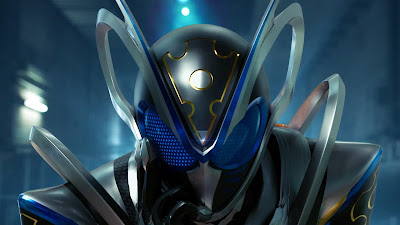
Amidst toy discussions, there’s been significant movement in the tokusatsu space. Project R.E.D., in replacing the Super Sentai series, continues to push boundaries with “Super Space Sheriff Gavan Infinity” at its helm. While “Kakuseihunter Omegahorn” signals a shift towards kaiju-focused storytelling, blending inspirations such as “Monster Hunter” and “Pokémon,” it may set a precedent for future series under the Project R.E.D. banner. This willingness to break from the well-worn patterns of Super Sentai hints at a dynamic restructuring intended to attract both old and new audiences.
In sum, the collector’s world reveals a tension between cherished nostalgia and evolving preferences. From the plush laden playsets of MOTU to the storied plastic of Star Wars and a tokusatsu scene undergoing transformation, the landscape is as varied as it is familiar. As these lines continue to fluctuate in design and theme, the challenge remains to balance enough echoes of the past with the daring of new directions.