
Recent initiatives highlight the role of experiential branding and cult fandom in reshaping the toy industry's reach and engagement.
While the toy industry is currently in a quieter phase when it comes to groundbreaking news, there are significant movements reflecting broader trends in how collectibles and tabletop games are marketed and accessed. This week’s reports underline a converging interest in experiential branding and leveraging cult fandoms that could shape the market dynamics significantly.
Rocky Horror Bobbleheads: A Nod to Cult Fandom
Rocky Horror Show fans can look forward to a new line of bobbleheads, thanks to a collaborative effort by the National Bobblehead Hall of Fame and Museum. As reported by Global Toy News, these collectibles are not only tapping into the nostalgia and devotion of a strong fanbase but are also exploring a direct-to-consumer model through Kickstarter.
This method not only assesses demand but also ties production quantities to the campaign’s success, offering a unique Dr. Frank N. Furter figure exclusively to backers. This strategy highlights how companies can effectively use crowdfunding to manage risk while engaging directly with consumers, combining scarcity and exclusivity which fuels interest among adult collectors. The approach could set a precedent for other legacy entertainment properties looking to enter the collectibles market, proving that cult fandoms are a valuable opportunity for developers and marketers alike.
Experiential Brand Marketing: Mahjong Enters Dining
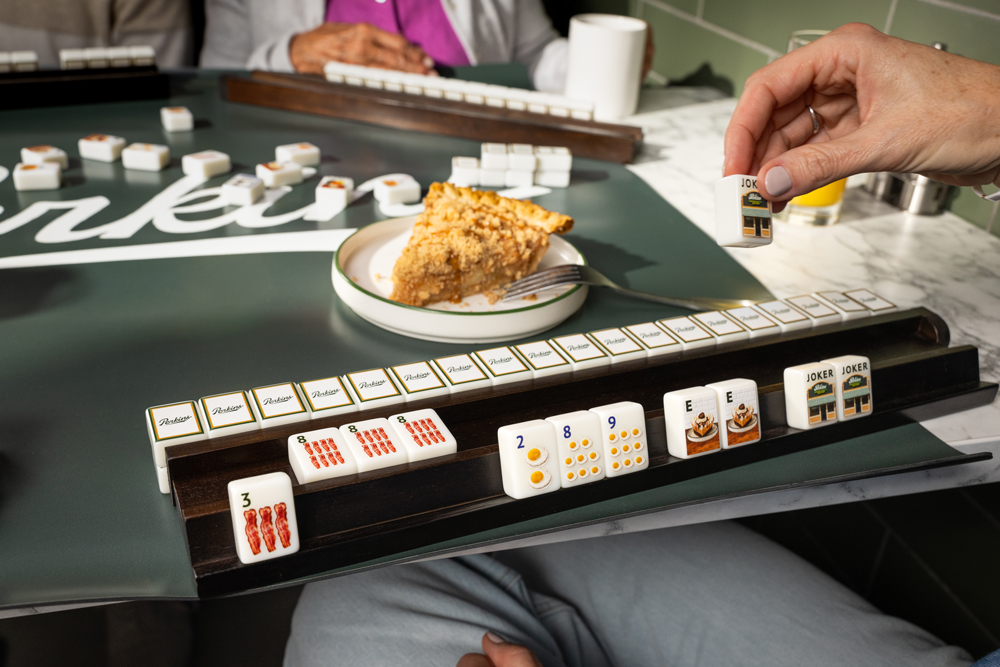
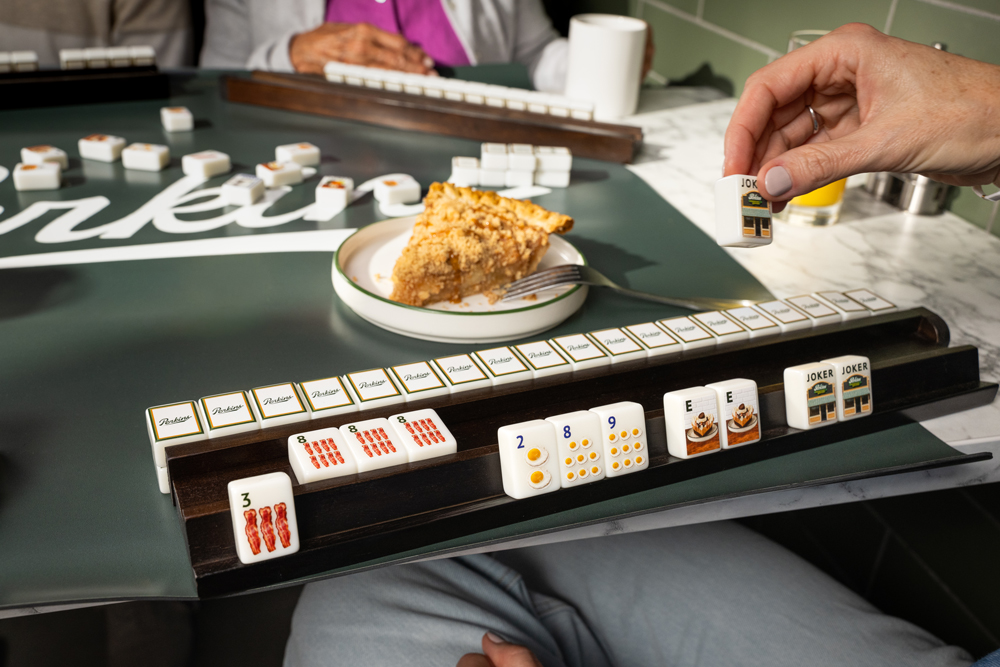
Perkins Restaurant & Bakery’s recent introduction of a limited-edition mahjong set signals another shift in the industry: the marriage of dining and tabletop gaming. As detailed by Global Toy News, this initiative, termed “Stay & Play”, is designed to encourage diners to linger longer over meals while engaging in social gameplay.
This strategic move not only enhances the dining experience but also expands the audience for tabletop games by using non-traditional retail channels. Such cross-industry partnerships highlight a trend toward multi-channel brand engagement, where lifestyle brands leverage gaming to enhance their experiential offerings. For the toy industry, it marks a pivotal opportunity in connecting with new audiences through shared social experiences, potentially redefining both dining and gaming markets.
Collectively, these initiatives reflect a growing trend where experiential marketing and dedicated fandoms redefine how toys and games are perceived and consumed. By crossing traditional boundaries and innovatively leveraging existing fanbases, industry players continue to find new ways to captivate and expand their audiences.