
Mattel's leadership shake-up overshadows Moose Toys' strategic expansion, while nostalgia-driven play and evolving tween markets redefine the toy industry landscape.
This week’s major industry movements spotlight a significant leadership change at the top of Mattel and strategic expansion efforts by Moose Toys, setting divergent paths of adaptation and growth across the toy sector.
Leadership Change at Mattel
Mattel finds itself at a crossroads as its CEO departs following a tumultuous period marked by declining Barbie sales. The move signals a potentially strategic pivot or overhaul at the storied toy giant, which has struggled to maintain its iconic brand’s relevance in the face of evolving consumer preferences. While details about the next steps remain sketchy, this leadership shake-up underscores the pressures facing traditional toy companies as they navigate the complex landscape of evolving play patterns and consumer expectations.
Moose Toys Expands Licensing Efforts
Moose Toys continues to broaden its horizons with the creation of a Consumer Products division helmed by Robbie Prinzo. This strategic initiative aims to consolidate and expand Moose’s global licensing operations, a move that could amplify their brand presence across diverse markets. By streamlining its licensing efforts under a dedicated leadership, Moose is positioning itself to explore new product categories and experiences, aligning with broader industry trends of leveraging intellectual property across multiple platforms.
Nostalgia Meets Innovation
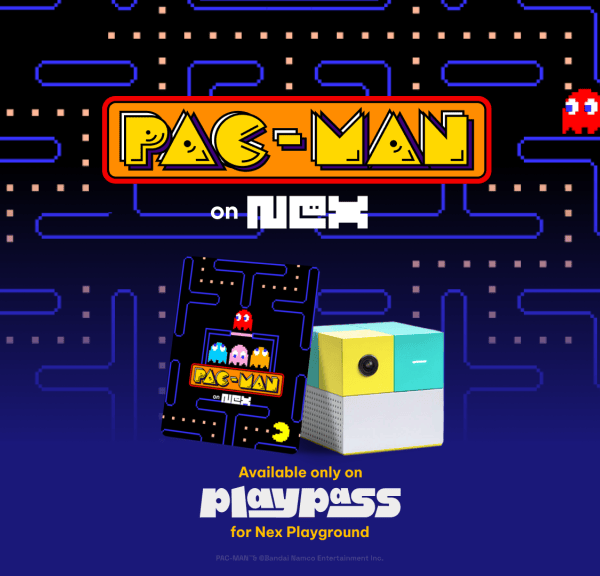
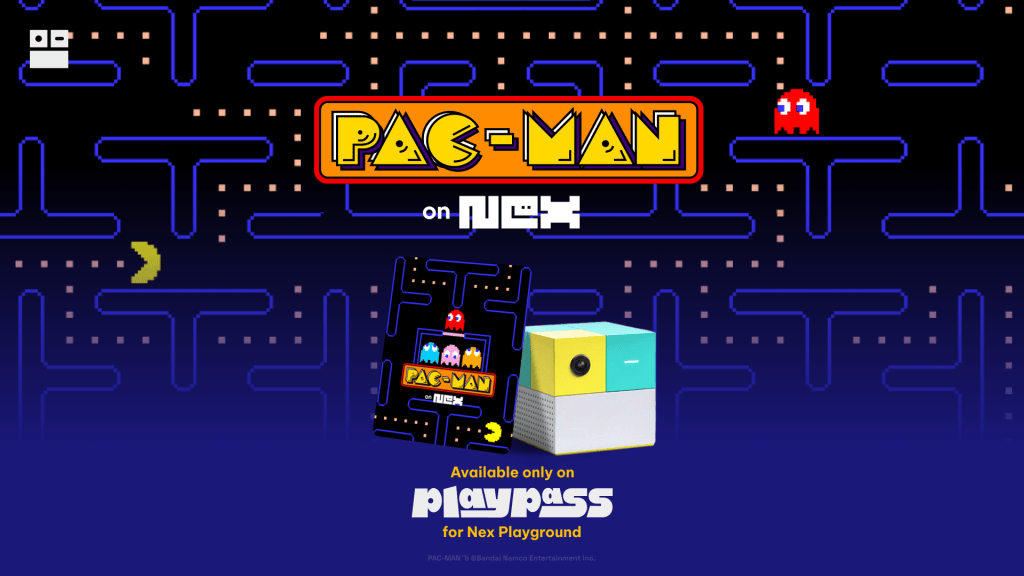
The toy industry continues to blend legacy intellectual properties with modern play experiences, as seen in the new PAC-MAN release on the Nex Playground. This adaptation transforms the classic video game into an active play experience, highlighting a trend where established franchises are repurposed to engage both new and nostalgic audiences through innovative mediums. This approach not only revitalizes iconic brands but also offers multi-generational appeal, strengthening their presence in today’s dynamic play culture.
Collectability and Tween Market Dynamics
Inflating the distinction between traditional toy demographics, the rise of ‘tweenagers’ as revealed in Beano Brain’s Coolest Brands report, is reshaping market strategies. Leading brands like LEGO, Pokémon, and Jellycat are capitalizing on this trend by merging collectability, lifestyle branding, and community engagement, catering to a demographic that blurs the lines between playthings and personal expression. This evolution is fundamentally altering product development and marketing approaches, emphasizing the potential of fandom and collectability driving sustained engagement beyond childhood.
Licensing Industry Growth
Brand Licensing Europe (BLE) 2026 marks a record-setting number of exhibitors, reflecting a healthy appetite for brand-driven collaborations within and beyond the toy industry. With major players like Hasbro, Mattel, and LEGO showcasing at the event, the expansion highlights the continual growth and importance of licensing as a key revenue and branding strategy. The presence of a wide range of retailers further demonstrates the integrated nature of today’s market, where cross-industry partnerships are vital for comprehensive consumer engagement.
In summary, the toy industry is navigating a period of significant transition, characterized by leadership shifts, strategic expansions, and a deepening interaction between play, fandom, and lifestyle branding. As companies adjust their strategies in response to evolving demographics and consumer behaviors, the success of these endeavors will hinge on their ability to blend tradition with innovation.