
LEGO's new Super Mario minifigure sets debut as the company's strong financial performance continues, revealing strategic growth.
The toy industry is witnessing another leap in LEGO’s expansion strategy with the introduction of Super Mario minifigure sets, coinciding with the company’s robust financial performance in early 2026. LEGO’s new wave of Super Mario sets marks a departure from its previous products by incorporating minifigure versions of iconic characters like Mario and Luigi. According to Toy Book, this shift not only aims to enhance playtime by offering fans greater freedom and creativity but also signifies a strengthening collaboration with Nintendo. The involvement of minifigures, a staple of LEGO’s success in other lines, suggests a potential new era for the LEGO Super Mario series and a deeper integration of Nintendo’s beloved universe into LEGO’s product ecosystem.
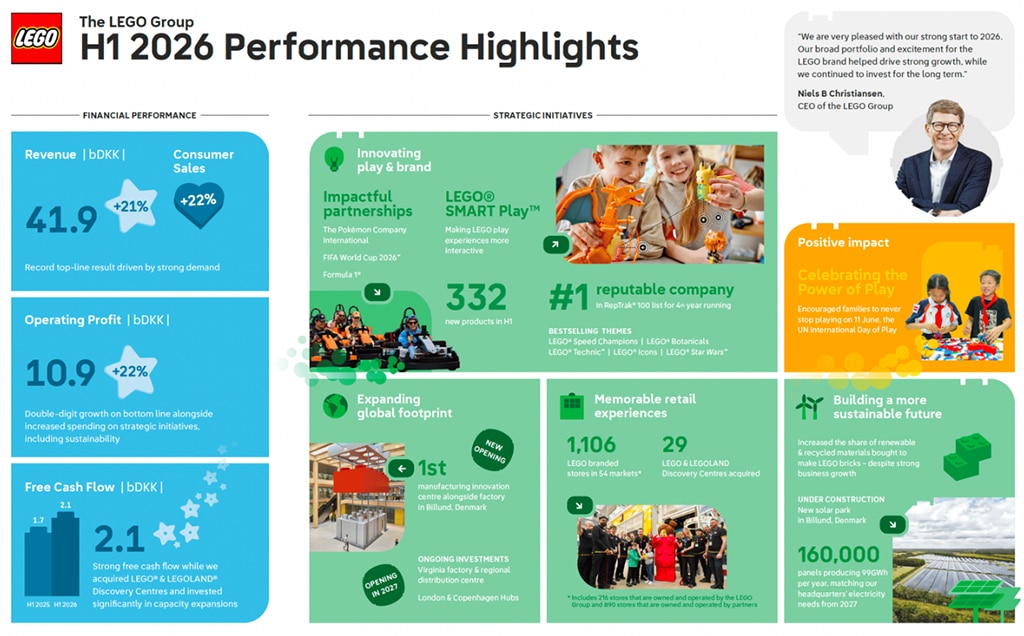
This strategic product release comes on the heels of LEGO reporting record-breaking financial results for the first half of 2026. As reported by Toy Book, the company’s revenue soared by 21%, hitting approximately $6.54 billion. This financial upsurge reflects LEGO’s increasing market penetration across various key regions like the Americas and Asia Pacific. The release of these new Super Mario sets may well bolster this momentum, as they cater directly to collectors and fans keen on combining the interactive world of Mario with LEGO’s creative play environment.
In parallel, Upper Deck is broadening its entertainment collectibles portfolio through a new licensing deal with Hasbro, which will bring some of Hasbro’s renowned franchises to trading cards and games. This partnership marks a significant opportunity for Upper Deck, as detailed by Toy Book. The alliance will initially feature Transformers-themed cards but promises further expansions, potentially tapping into Hasbro’s extensive catalogue of beloved properties. This collaboration not only positions Upper Deck as a more dynamic player in the trading card sector but also reinvigorates interest in Hasbro’s storied characters by presenting them in a novel medium.
Overall, this period reflects strategic advances within the toy industry, with companies like LEGO and Upper Deck leveraging popular cultural licenses to expand their consumer base and drive further growth. Collectors and enthusiasts should keep an eye on how these developments unfold, particularly as they hint at broader trends of convergence between traditional toy brands and contemporary pop culture phenomena.