
WildBrain acquires Personality AI to enhance kid-friendly character interactions, broadening engagement for IP owners beyond traditional channels.
This week’s industry developments are marked by strategic expansions and innovative releases across the toy sector. The most significant news comes from WildBrain’s acquisition of Personality AI, indicating a forward leap in the integration of AI technologies with kid-safe character experiences. This move aligns with a broader trend of integrating AI into children’s entertainment, allowing IP owners to engage with fans on more dynamic levels beyond traditional licensing.
The acquisition equips WildBrain with Personality AI’s proprietary generative AI technology, offering potential for its application across products, platforms, and experiences. Such an expansion could alter the fabric of toy-based entertainment, providing fresh avenues for storytelling and interaction while maintaining safety for younger audiences. Notably, Personality AI was already recognized by Amazon for its work on a generative AI platform for Amazon Kids+, underscoring its prominence in the AI industry.
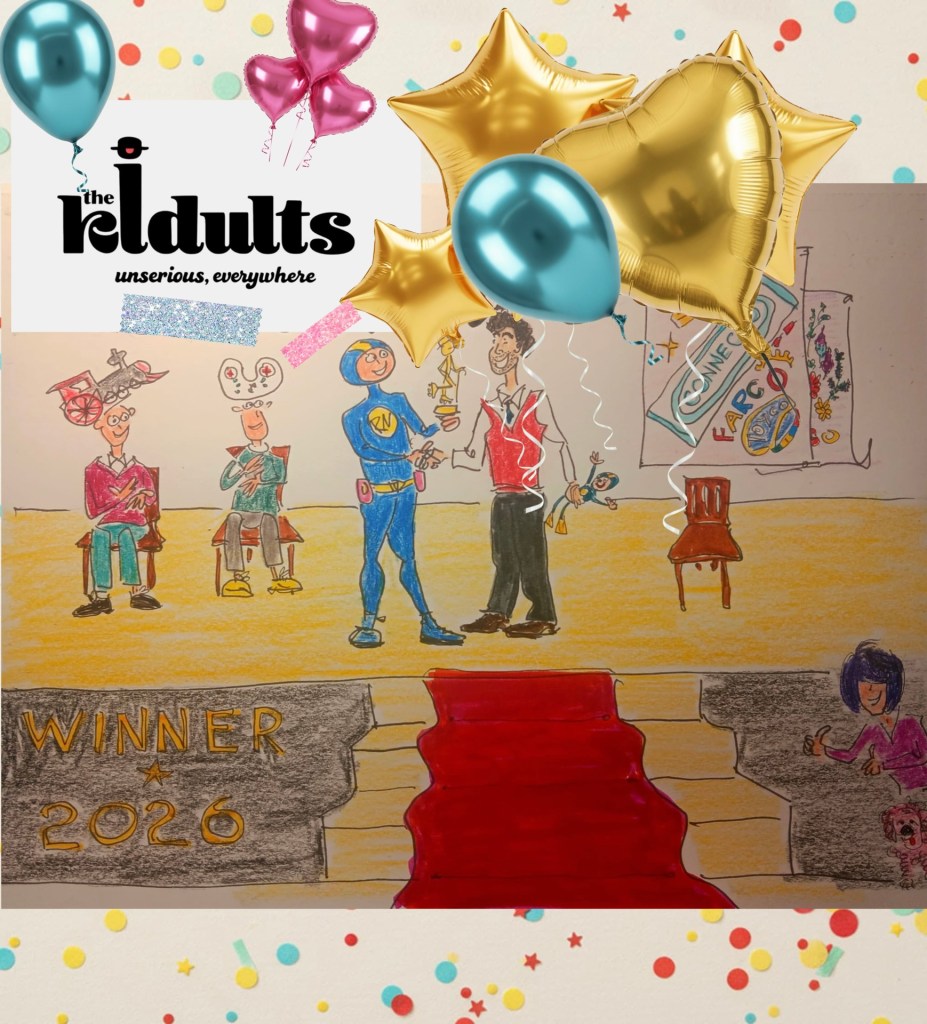
Meanwhile, ChizSix reports the resurgence of toys among “kidults” in Hong Kong and Taiwan, with Beyblade emerging as a particular favorite. This phenomenon is parallel to trends seen in other markets where nostalgic brands are revitalized to captivate both younger audiences and adult collectors. The US toy industry also boasts its best first-half performance in six years, signaling robust market health alongside evolving consumer interests.
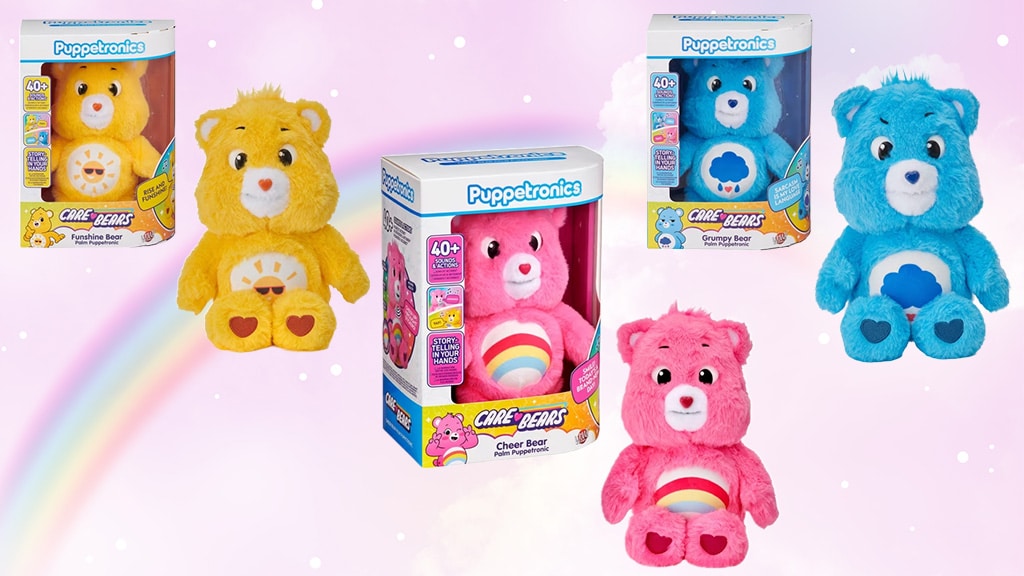
Care Bears are back with a modern twist through WOW! Stuff’s Palm Puppetronics, launched in anticipation of Share Your Care Day. This innovation breathes new life into the classic characters with interactive features such as expressive movements and sound effects, celebrating the franchise’s enduring appeal across generations. The products are poised to rekindle interest among collectors and introduce a new generation to the Care Bear brand.
Lastly, BPMS is expanding its footprint in the e-commerce sector through its newly introduced Bloom service. By consolidating operations, marketing, and analytics into a single platform, Bloom aims to facilitate international brands’ entry into the competitive U.S. market and enable existing retailers to scale online. This service represents the ongoing evolution of digital commerce strategies within the toy industry.
Overall, these stories suggest a diverse set of strategies as industry players leverage new technologies, revitalize nostalgic properties, and harness digital commerce platforms to capture and expand their market share. As these trends develop, staying attuned to such strategic shifts will be crucial for both businesses and collectors navigating the ever-evolving toy landscape.